Sustainability
Red Rock Canyon National Conservation Area: Protected, Forever.
The American business tycoon Howard Robard Hughes Jr. privately purchased 30,000 acres west of Las Vegas, now Summerlin, in 1952. In the early 1980s, Summa Corporation – predecessor to Howard Hughes Communities (Hughes) – recognized the land’s development potential. The community was named Summerlin for Howard Hughes’ grandmother, Jean Amelia Summerlin.
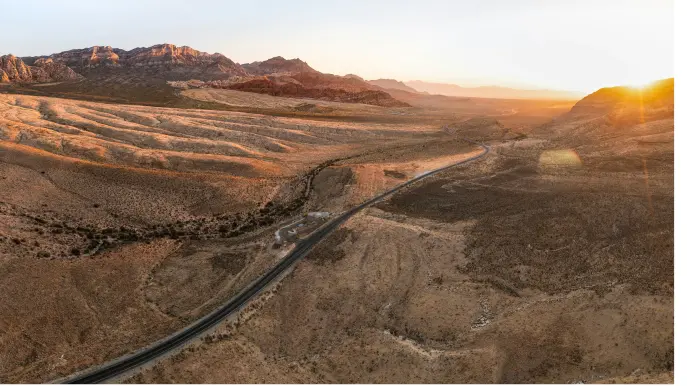
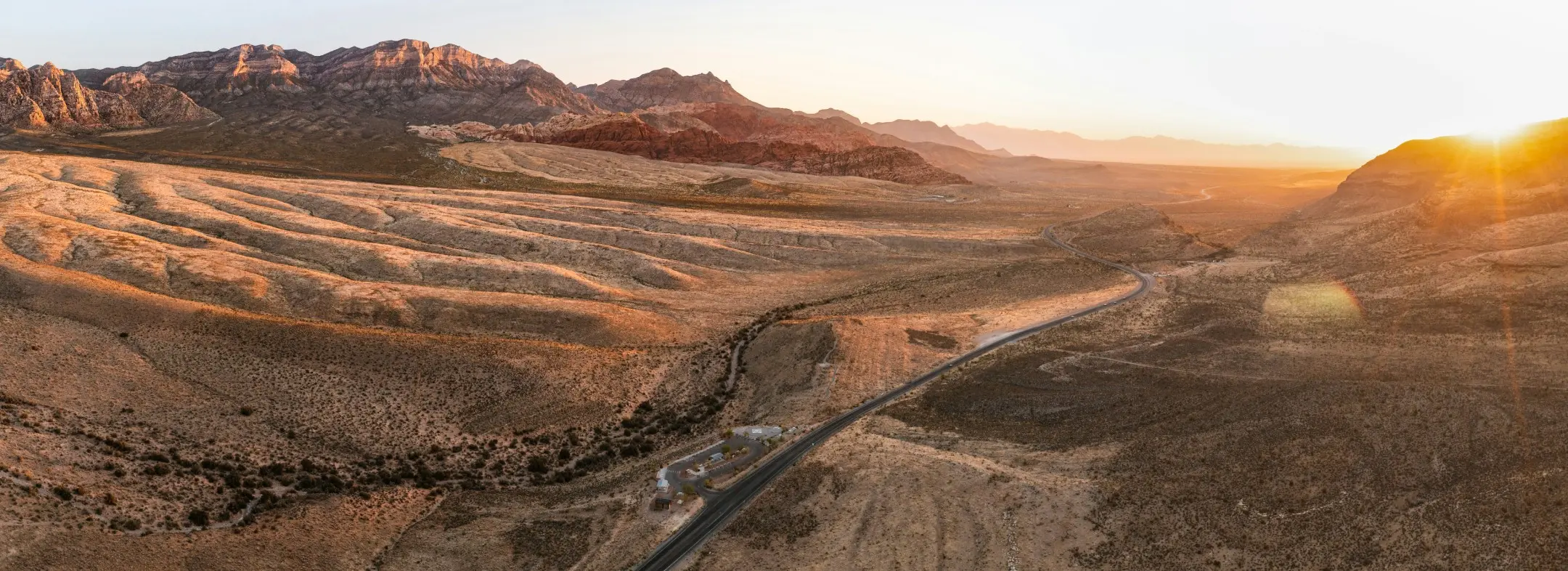
As the decades unfolded and the Summerlin master planned community evolved, intentional steps were taken to preserve and protect acres of natural beauty along its western edge, land that would become Red Rock Canyon National Conservation Area (Red Rock Canyon), ensuring a lasting connection between the community and surrounding desert landscape.
In 1988, Hughes gave up more than 5,000 acres in a land exchange with the Bureau of Land Management (BLM) to create a buffer zone that forever protects Red Rock Canyon and the scenic loop road experience. In 2001, Hughes donated $30,000 to the BLM for new trail marker signage throughout the Conservation Area.
In 2002, Hughes completed a second federal land exchange with the BLM. This exchange preserved an additional 1,100 acres along Summerlin’s western border, adding it into the Red Rock Canyon area to maintain the view-shed and protect the lower slopes of the mountains from development.
The American business tycoon Howard Robard Hughes Jr. privately purchased 30,000 acres west of Las Vegas, now Summerlin, in 1952. In the early 1980s, Summa Corporation (predecessor to Howard Hughes Communities) recognized the land’s development potential. The community was named Summerlin for Hughes’ grandmother, Jean Amelia Summerlin.
As the decades unfolded and the Summerlin master planned community evolved, intentional steps were taken to preserve and protect acres of natural beauty along its western edge, land that would become Red Rock Canyon National Conservation Area (Red Rock Canyon), ensuring a lasting connection between the community and surrounding desert landscape.
In 1988, Hughes gave up more than 5,000 acres in a land exchange with the Bureau of Land Management (BLM) to create a buffer zone that forever protects Red Rock Canyon and the scenic loop road experience. In 2001, Hughes donated $30,000 to the BLM for new trail marker signage throughout the Conservation Area.
In 2002, Hughes completed a second federal land exchange with the BLM. This exchange preserved an additional 1,100 acres along Summerlin’s western border, adding it into the Red Rock Canyon area to maintain the view-shed and protect the lower slopes of the mountains from development.
Nature, As It Was Meant to Be.
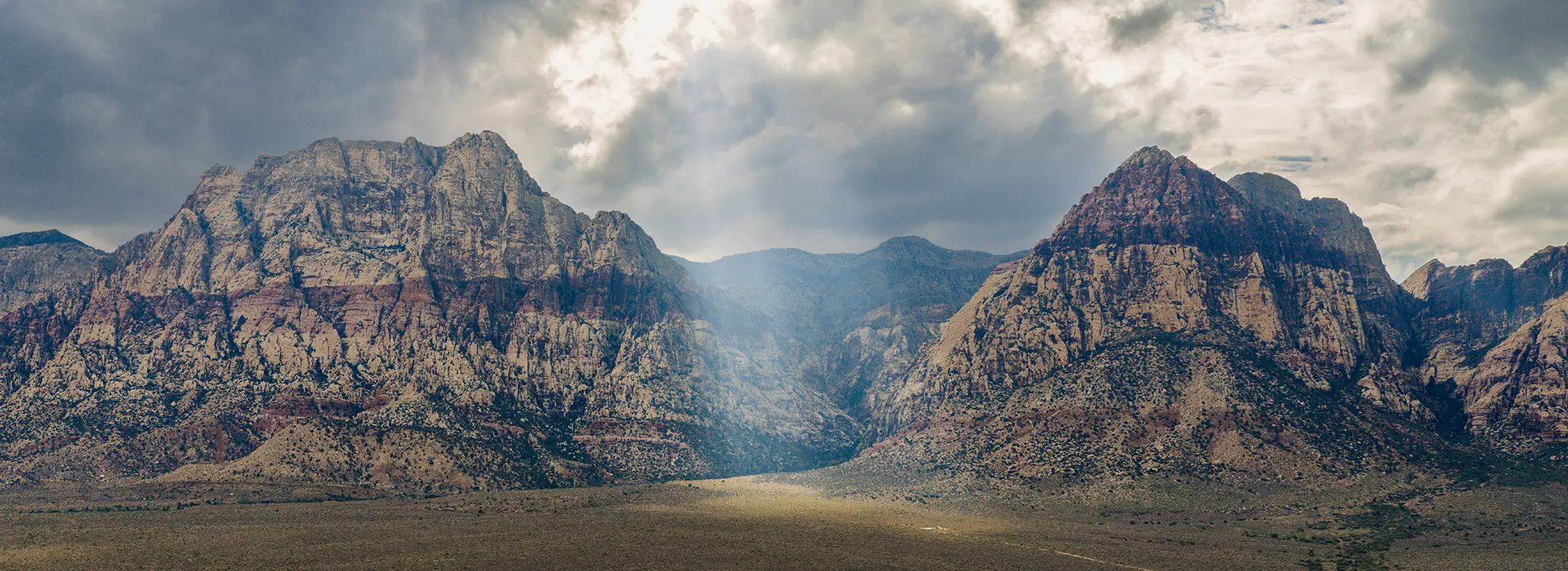
Preserving Summerlin’s desert backdrop has always been central to its vision, with natural landscapes integrated throughout the community. Hughes also partners with local agencies, tribal leaders, and archaeologists to protect historic American Indian rock art along the valley’s western edge.
More than 200 miles of trails connect neighborhoods and villages, encouraging outdoor recreation and social connection. These include 10 miles along the 215 Beltway, with plans to connect directly to Red Rock Canyon.
TPC Summerlin and TPC Las Vegas are Certified Audubon Cooperative Sanctuary golf courses, reflecting a commitment to water conservation and wildlife habitat preservation. In 1998, Hughes also helped establish a development fee to support a widely recognized multi-species habitat program in Southern Nevada.
In 2008, Hughes received the American Trails Developer Award from American Trails, a nonprofit organization dedicated to trail systems. The award recognized the community’s well-designed multi-use trails and marked the first time a private developer was honored.
Preserving Summerlin’s desert backdrop has always been central to its vision, with natural landscapes integrated throughout the community. Hughes also partners with local agencies, tribal leaders, and archaeologists to protect historic American Indian rock art along the valley’s western edge.
More than 200 miles of trails connect neighborhoods and villages, encouraging outdoor recreation and social connection. These include 10 miles along the 215 Beltway, with plans to connect directly to Red Rock Canyon.
TPC Summerlin and TPC Las Vegas are Certified Audubon Cooperative Sanctuary golf courses, reflecting a commitment to water conservation and wildlife habitat preservation. In 1998, Hughes also helped establish a development fee to support a widely recognized multi-species habitat program in Southern Nevada.
In 2008, Hughes received the American Trails Developer Award from American Trails, a nonprofit organization dedicated to trail systems. The award recognized the community’s well-designed multi-use trails and marked the first time a private developer was honored.
We know H2O
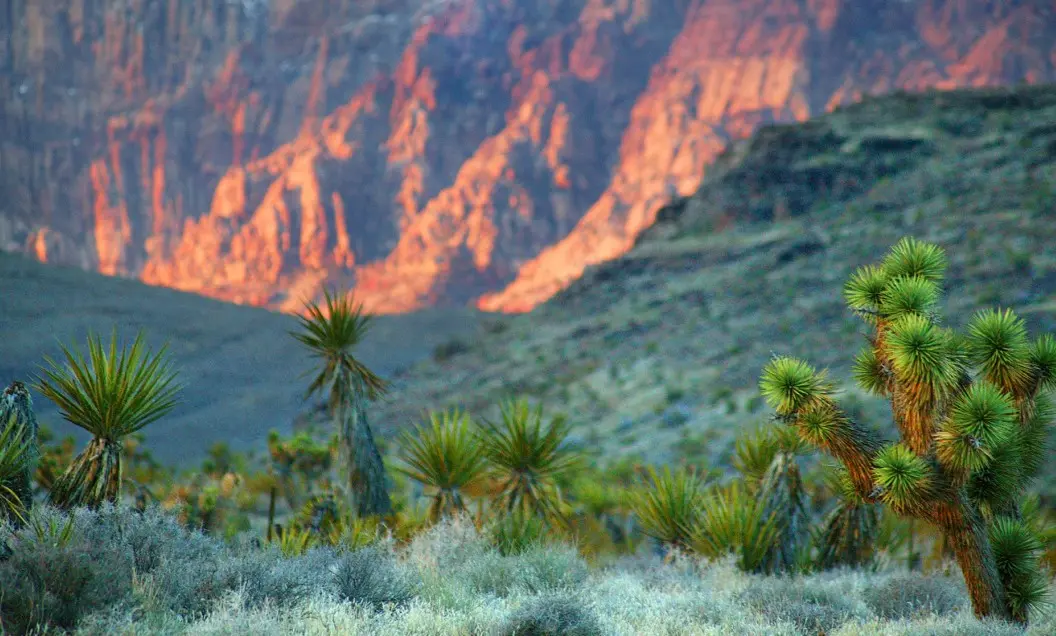
Summerlin began incorporating desert landscaping into its common areas in the late 1990s, becoming one of the Las Vegas Valley’s earliest adopters.
In 2003, in partnership with the Southern Nevada Water Authority (SNWA), Summerlin implemented strict Water Smart guidelines community-wide. Grass was eliminated in front yards and limited to 50 percent of back and side yards. At the time, this approach was considered progressive and recognized for its impact on water conservation at scale.
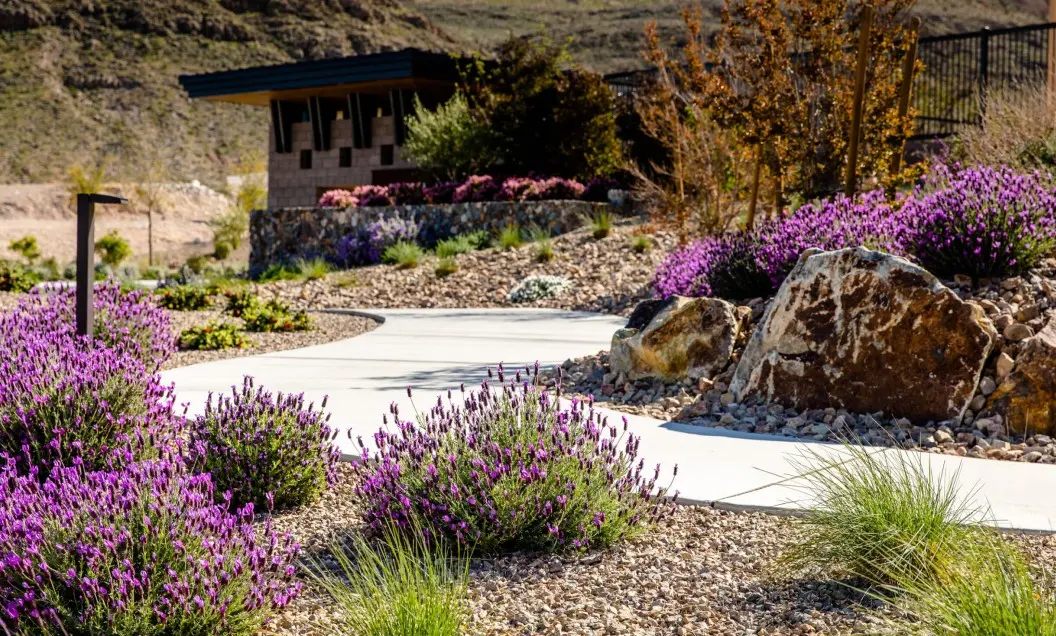
Today, Summerlin continues to remove non-functional grass, replacing it with desert-friendly plant materials, native vegetation, and drip irrigation. In areas like Stonebridge, The Summit, and Summerlin West, some landscapes now require little to no irrigation.
Summerlin remains a leader in water conservation, removing more than 20 acres of grass in common areas and saving millions of gallons annually.
Where Water Comes Full Circle
Southern Nevada has one of the most advanced water reuse systems in the country, designed to make every drop go further.
Water used indoors, such as from showers, sinks, and laundry, is treated and returned to Lake Mead through the Las Vegas Wash. This process creates return flow credits, allowing the region to draw the same amount of water back from the Colorado River.
In simple terms, water is not wasted. It is continuously recycled.
This closed loop system helps extend Southern Nevada’s limited water supply, enabling the community to support long term growth while staying within strict conservation limits.
See Our Water Saving Efforts.
Breathe Easier
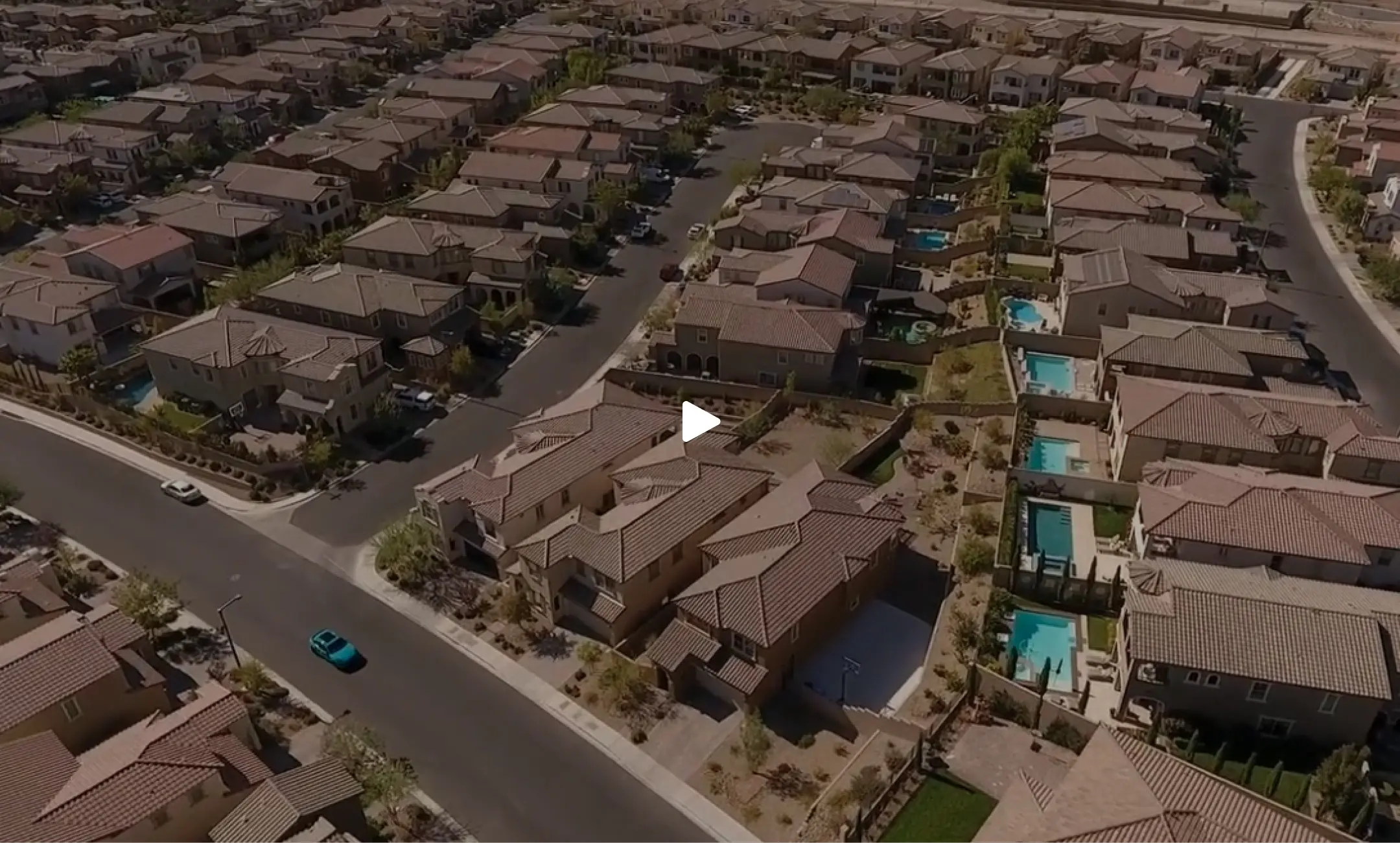
In the mid-1990s, Howard Hughes executives served on a valley-wide development industry coalition that drafted the nation’s toughest self-imposed rules on dust control and air quality.
Clean air matters:
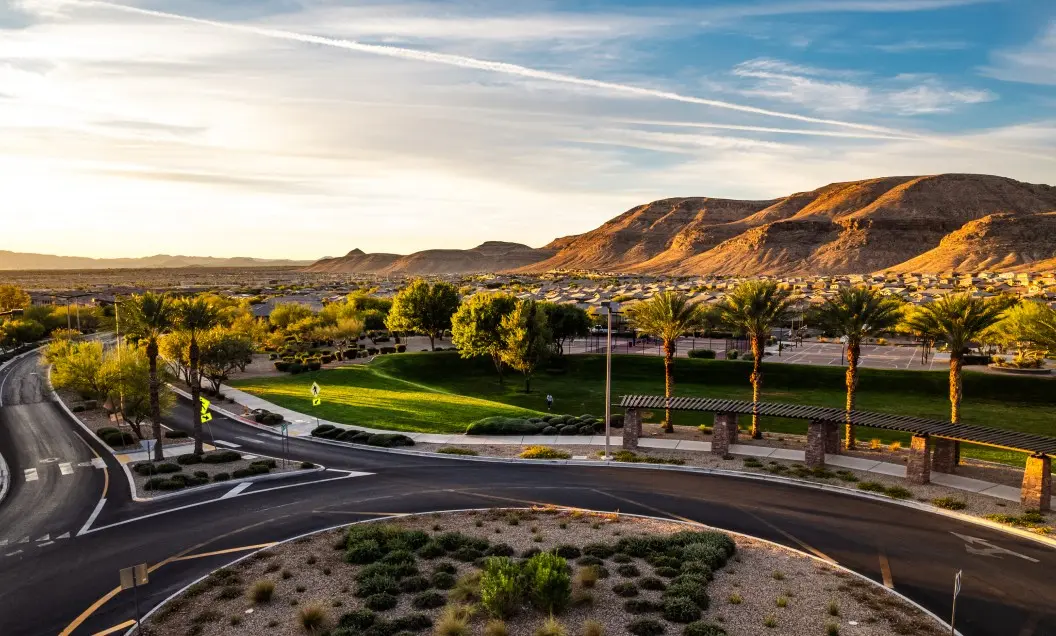
- Summerlin was the first community in Southern Nevada to incorporate roundabouts into its roadway system, a concept that allowed for better traffic flow and reduced pollution through the elimination of idling at lights and stop signs.
- The Summerlin Trail system provides safe routes where many kids can walk to school safely without having to cross streets, reducing the number of cars on the road both before and after school.
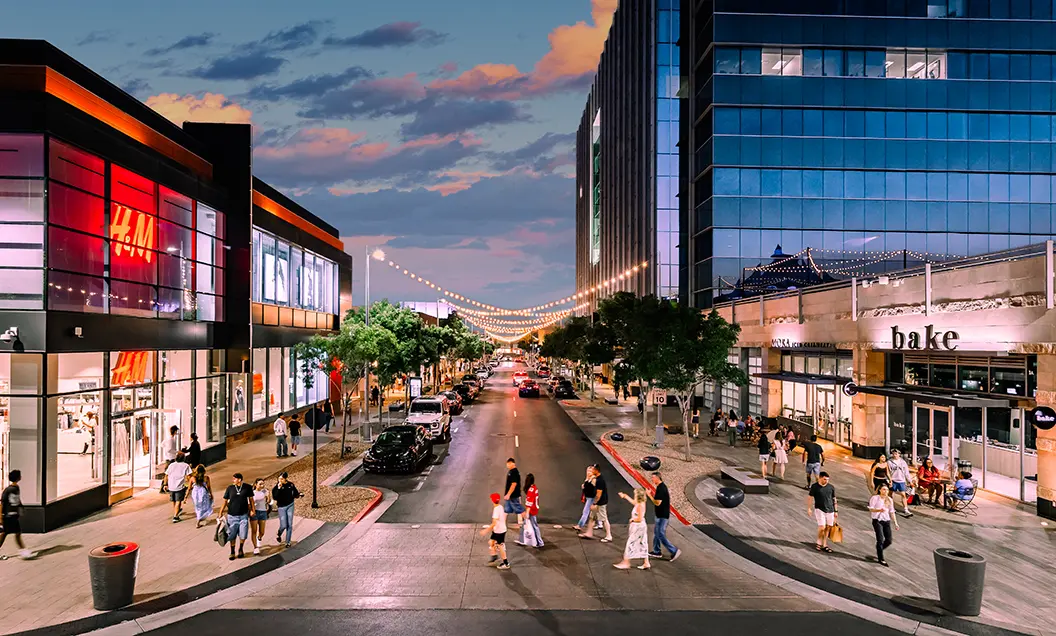
- Downtown Summerlin offers 318 stalls for low emission vehicles, and four stalls with electric vehicle charging devices.
Miles of Connection
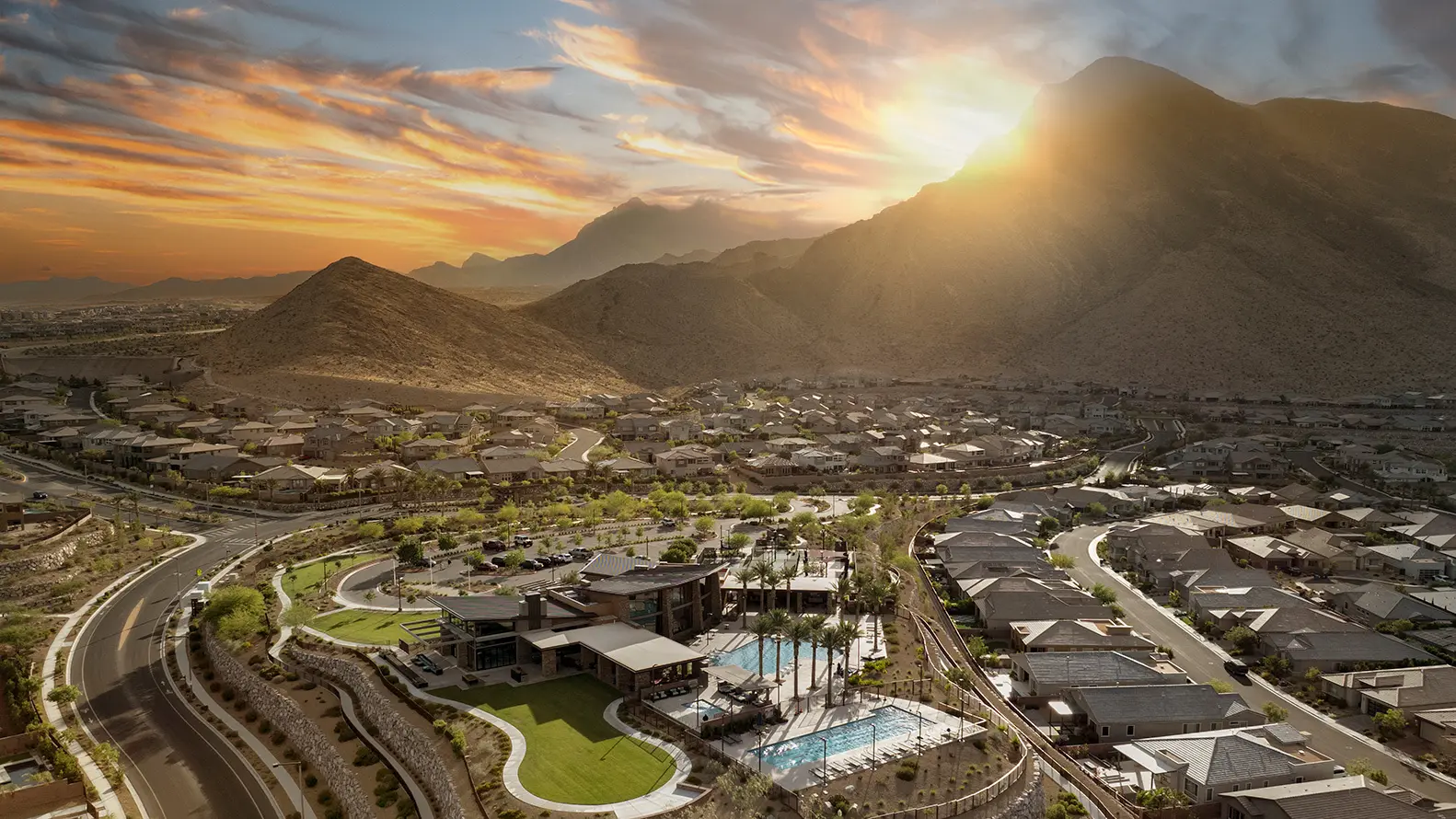
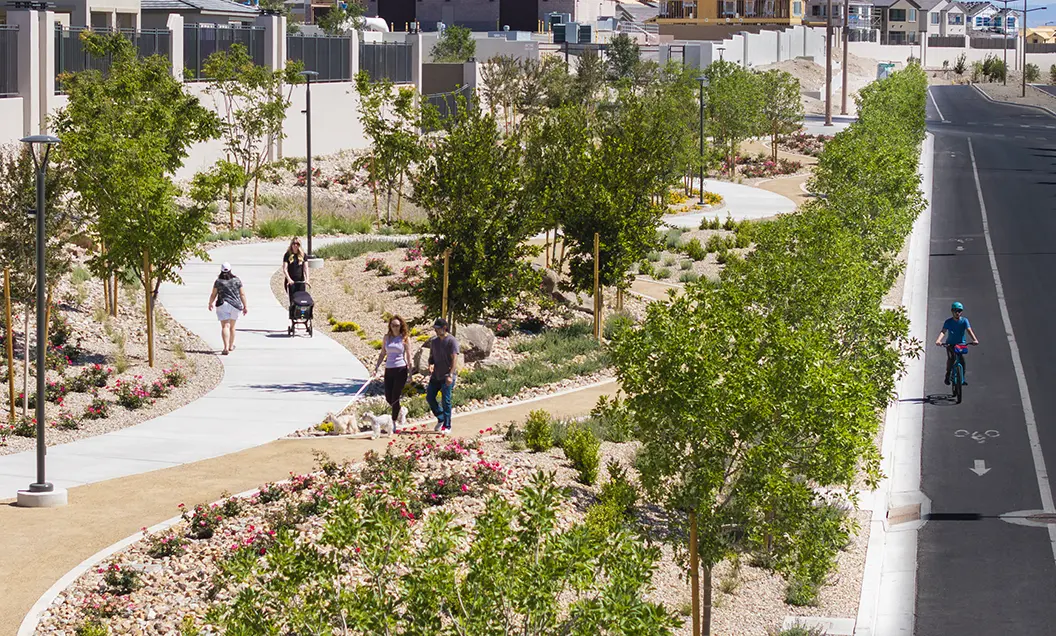
Summerlin features hundreds of miles of trails– that connect neighborhoods, villages, and the surrounding landscape, supporting everything from casual walks to long-distance cycling. The system includes landscaped street-side paths, quiet village trails set within natural corridors, and regional routes that will link to a larger valley-wide network and Red Rock Canyon National Conservation Area. Designed for a variety of non-motorized uses, these trails promote recreation, connectivity, and everyday access to the outdoors.
Stewardship in Action
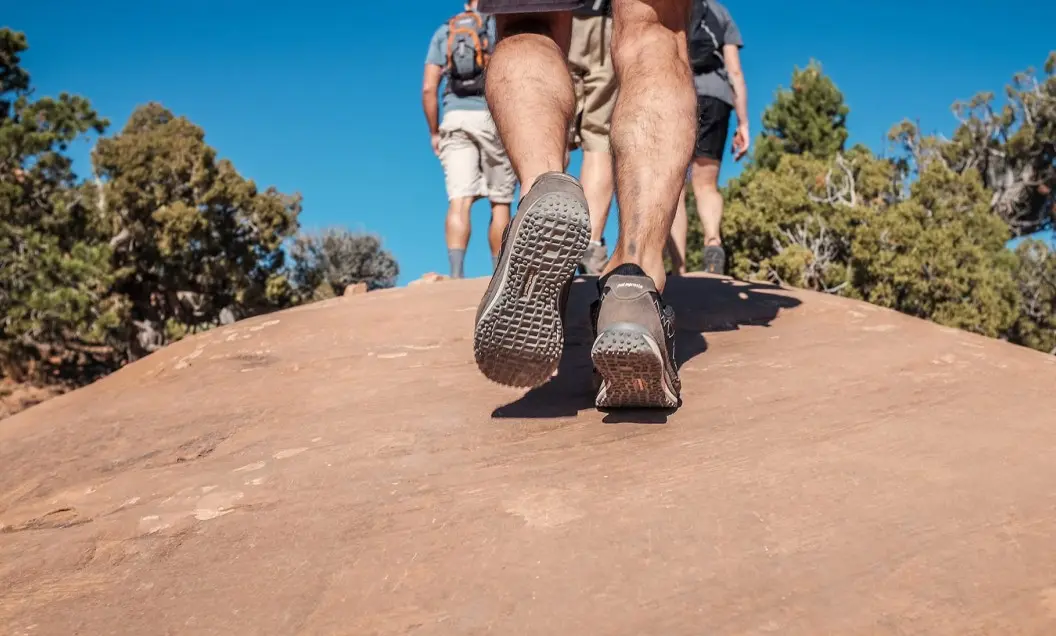
Howard Hughes Communities has organized and hosted many desert clean-ups in and around Summerlin, in partnership with both private companies and public agencies. Through these efforts, hundreds of tons of illegally dumped trash have been removed from the area. The company also welcomes and supports private groups, such as Eagle Scout projects, to organize smaller clean-ups in and around the community.
Building with Purpose
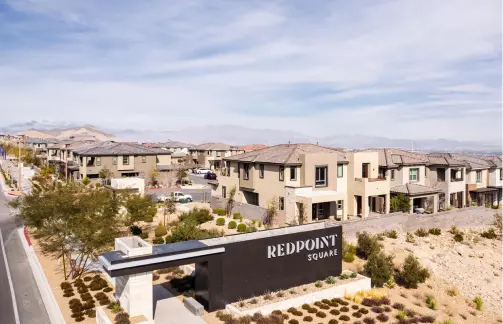
Summerlin and Howard Hughes Communities are committed to building more sustainably, with a focus on reducing environmental impact and improving long-term performance.
Through measurable goals and evolving standards, the community continues to advance energy efficiency, water conservation, and responsible development practices.
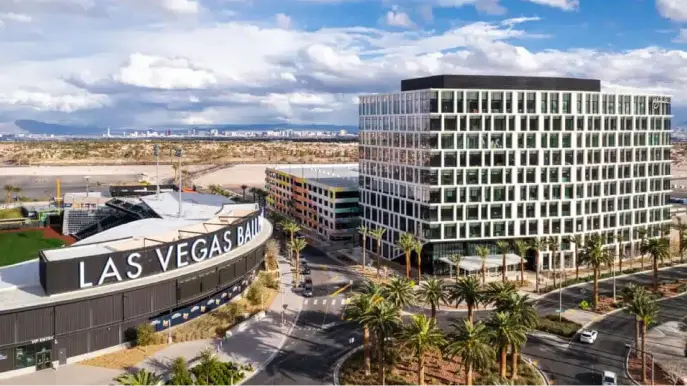
Summerlin is the only LEED Silver precertified community in Southern Nevada and home to multiple Howard Hughes-owned LEED Silver certified office and retail buildings reflecting a continued investment in high-performance, environmentally responsible design.
Downtown Summerlin
Retail area including Whole Foods Market area
8 Tesla Super Chargers and 4 additional charging stations (Level 2)
The Suites
Office Buildings
1700 Pavilion 14 Charging Stations
ONE Summerlin 9 Charging Stations
TWO Summerlin 5 Charging Stations
Meridian 8 Charging Stations
Growing Education
Summerlin is proud to support garden farms in Summerlin schools, helping create hands-on learning opportunities for students. As school gardens continue to gain momentum across Southern Nevada, they are fostering deeper connections to education, wellness, and community. The growing interest in these programs reflects a shared commitment to enriching student experiences both inside and outside the classroom.